
Anonymous
-
-
5 min read
The Overloaded Communication Kitchen
Organizations often assume that adding more communication tools will improve efficiency, just as an inexperienced kitchen manager might think that more chefs equal faster service. However, just as a kitchen operates best when roles and processes are well-defined, so too does an organization when communication is streamlined and intentional.
59% of employees have missed messages due to communication overload.
When information is scattered across multiple platforms—emails, messaging apps, and document-sharing services—employees end up playing an endless game of hide and seek, trying to locate vital data. Moreover, the informal nature of platforms like Slack can sometimes resemble internal social media platforms like X (previously Twitter), where messages are posted impulsively without due consideration. In one instance, I observed a manager make a project-related decision on Slack. When the outcome was unfavorable, the manager edited the original message, leading to significant challenges for the team members involved.
The proliferation of channels doesn't stop there. Managers often initiate new channels for each project, despite the availability of dedicated project management tools like ZOHO or Asana. This redundancy not only complicates information retrieval but also hampers communication efficiency. Research indicates that juggling multiple communication tools can be distracting and time-consuming for staff members, leading to delays in responding to messages and missed collaboration opportunities.
Imagine needing to retrieve an ingredient from a cabinet only to find that it is stored in a locked refrigerator. This is the challenge of storing data in multiple disconnected and siloed platforms. This fragmentation not only slows communication but also increases the likelihood of misinterpretation, leading to inefficiencies across teams. Just like a kitchen where ingredients are stashed away in unpredictable places, an organization that lacks a centralized communication strategy sees productivity suffer.
Recipe for Confusion: Culture and Policies
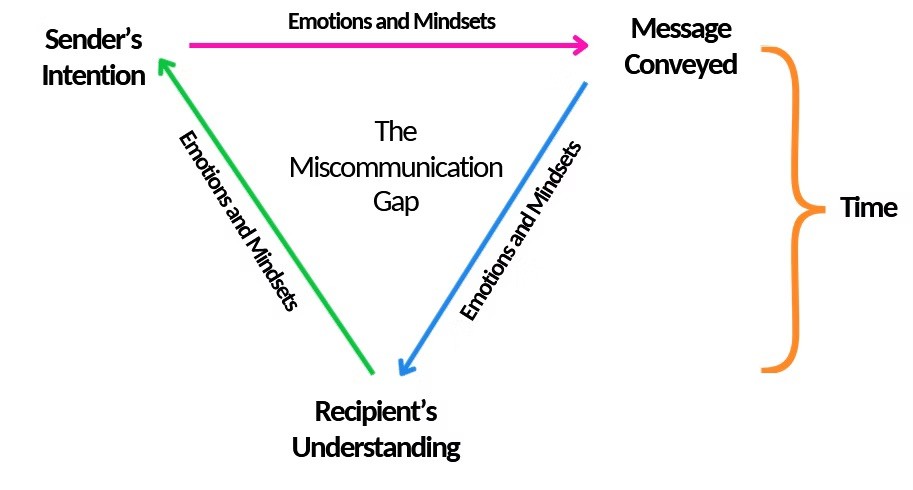
The miscommunication gap isn’t just about too many tools; it’s also deeply rooted in company culture and policies. Some workplaces operate like hierarchical kitchens where only the head chef (executive leadership) gets the final say, while feedback from junior staff is ignored. In these organizations, messages flow top-down, but the return path is blocked, leaving employees without a safe way to voice concerns or clarify instructions.
"In over 80% of large organizations, information falls rather than flow."
Conversely, organizations with open and structured communication policies foster a more collaborative environment—akin to a well-run restaurant where sous chefs and line cooks work in sync with the head chef. A study published in the Journal of Business Communication found that companies with clear and inclusive communication policies see improved job satisfaction and performance. However, in workplaces where feedback loops are weak or nonexistent, misunderstandings multiply, leading to frustration, inefficiency, and costly mistakes.
The Cost of Too Many Cooks
It’s easy to overlook how expensive miscommunication can be. Every additional tool, uncoordinated meeting, or unclear directive adds hidden costs—just as an overcrowded kitchen leads to wasted ingredients and longer prep times. A McKinsey & Company report found that employees spend an average of 19% of their workweek searching for information. That’s nearly one full day of lost productivity per week, translating into substantial revenue losses.
If miscommunication is left unchecked, organizations not only waste resources but also risk creating a culture of inefficiency. Moreover, ineffective communication has been linked to lower employee engagement and retention, leading to higher recruitment and training costs.
Streamlining the Kitchen: What Leaders Can Do
Communication channels are great, and many platforms appear to add value and make things faster. However, the pitfalls of having too many can become a serious challenge for organizations. As leaders, you wouldn’t let a kitchen run without clear protocols—why allow your company’s communication channels to be any different?
Here are some key questions to consider:
Are you overwhelming your teams with too many communication channels? Do you always start a new channel for every project?
Do you have clear guidelines for when and how to use each tool? Does your team know and understand these guidelines? Do you follow these guidelines yourself?
Is information stored in a centralized, easily accessible location? If not, how many are the steps taken to access that information, do you know?
Can your junior staff provide you feedback on your mishaps and ask questions regarding your decisions without negative repercussions?
Do you audit the cost of inefficiencies that arise due to miscommunication?
By addressing these questions, organizations can shift from a chaotic kitchen to a Michelin-starred operation—where every message, like every ingredient, is carefully selected, purposefully placed, and contributes to the overall success of the enterprise.
Popular Blogs


Explore more educational blog pieces.
Read through our research-driven and informational blogs to learn more about how you can thrive in your career.